Cookie Settings
We use our own and third-party cookies to analyze our services and show you advertising related to your preferences based on a profile developed from your browsing habits (e.g. pages visited). You can accept all these cookies by clicking on the ACCEPT button or configure them or refuse their use by clicking on the COOKIE CONFIGURATION section.
For more information, see the Cookies Policy and Cookie List of our website.
Your preferences


Over 20 Years’ Experience Protecting Museums
Museums face major challenges in terms of physical security and the protection of their collections. One of the greatest challenges is ensuring that artworks and historical artefacts are protected from theft or damage, whether from external threats or internal risks.
In this context, it is essential to deploy effective CCTV systems that do not compromise the visitor experience.
Managing complex security infrastructure also comes with its own challenges:
Integrating CCTV with PoS terminals, access control systems and other platforms.
Simplifying the management and maintenance of video recordings and the entire surveillance system.
Migrating from analogue to IP technology with minimal disruption.
Using intelligent video analytics to enhance operational efficiency and prevent theft.
Protecting against cyberattacks and minimising potential damage.
Our CCTV systems are deployed in museums and art galleries, dramatically reducing the need for on-site guards, strengthening protection at every access point and enhancing overall operational efficiency.
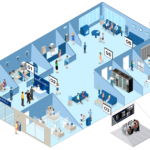
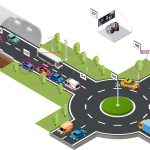
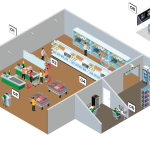
Click on the blue boxes for more information.

Industrial-grade, energy-efficient technology tailored to the specific needs of each environment and supporting migration to IP systems where required.
Event detection including directional or bidirectional line crossing, double-line crossing, crowd density, people counting, heat mapping, loitering and queue management, among other functions.
Real-time detection of the position of artworks and immediate alerts if any are moved from their original location.
Hardware manufactured in Europe and assembled by our team in Spain.
Software and firmware developed and encrypted in-house at our R&D&I centre.


We offer a wide range of options, including fully IP or hybrid systems, with or without PoE switch, available in wall-mounted formats, and with configurable storage and power supply options.

LAVA, short for Lanaccess Advanced Video Analytics, delivers advanced neural network-based analytics for any video surveillance system.

An intuitive web-based interface for managing video and connected devices, featuring automatic monitoring of the CCTV network’s operational status.
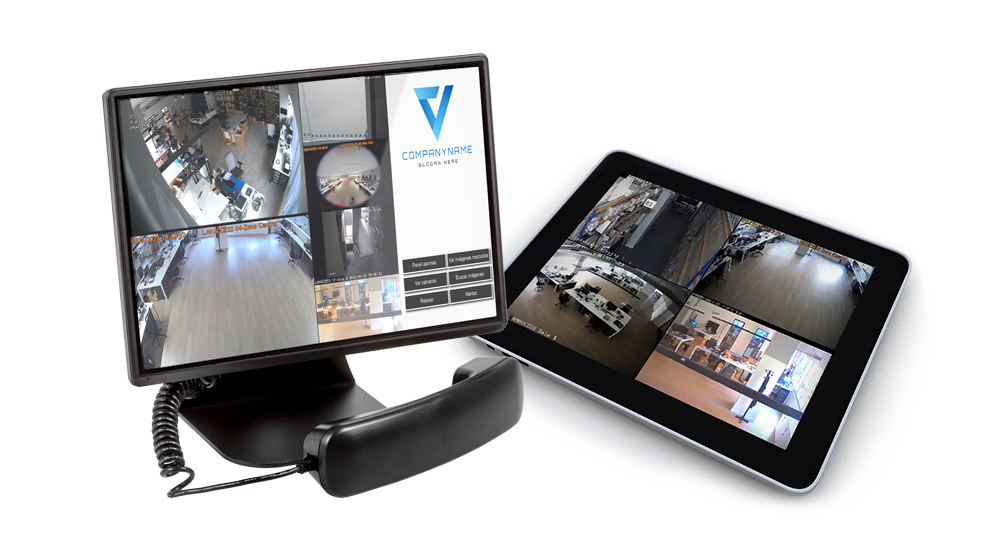
Touchscreen device enabling reception staff to manage access quickly and efficiently.

A comprehensive range designed to meet every video surveillance need within the museum sector.
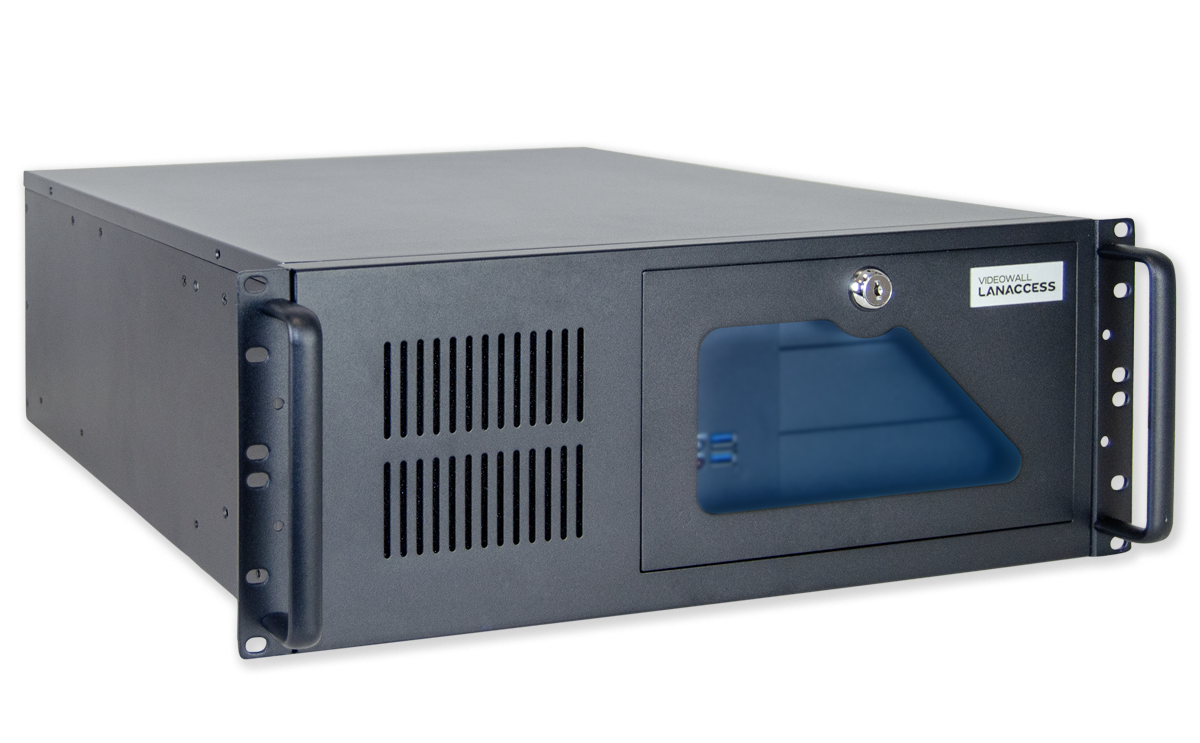
High-performance multimedia controllers.
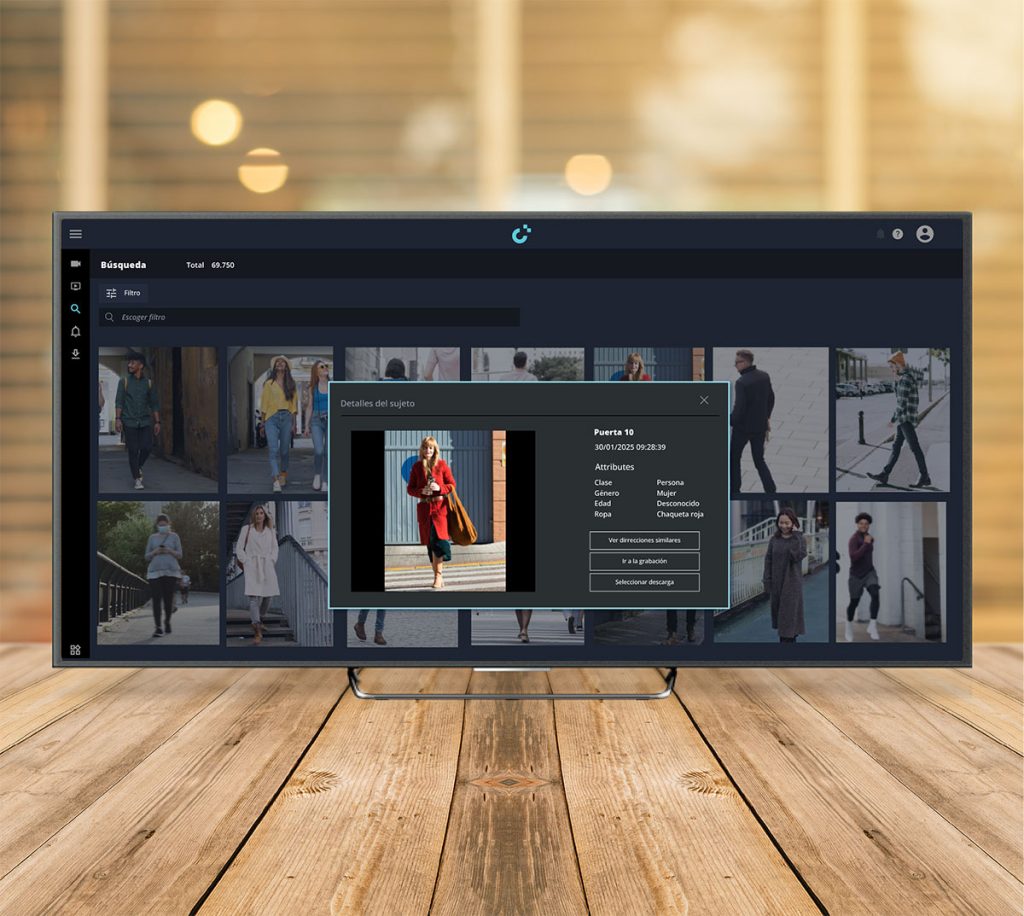
Our museum CCTV systems use discreet, high-resolution cameras that are architecturally integrated into ceilings and walls. Intelligent video analytics detect suspicious behaviour without generating false alarms that might disturb visitors. The cameras operate silently and use invisible infrared lighting, preserving the calm, contemplative atmosphere expected in museums.
Yes. Our intelligent analytics system automatically detects excessive proximity to artworks, prolonged presence in restricted zones, suspicious gestures, abrupt movements or tampering attempts and unusual group behaviour. Alerts are sent instantly to security staff and can trigger automatic protocols, such as gallery lockdown or direct notification of security forces.
We use automatic anonymisation technology that blurs faces in recordings unrelated to security incidents. We comply strictly with GDPR requirements through configurable data-retention policies, restricted access for authorised staff only, automatic anonymisation after defined periods and tools for handling visitor privacy requests. Recordings are used exclusively for security purposes – never for marketing or commercial analysis.
Installations are scheduled outside visiting hours using non-invasive methods: prior architectural analysis to identify hidden cable routes, precision drilling that avoids affecting historic structures, modular installation allowing galleries to remain open in rotation, full protection of artworks during works, and close coordination with conservators to approve each step before execution.
Solutions for Every Need